Everyone quotes the ROI numbers. Almost no one explains why they land where they do. Understanding remodeling cost vs. value – the gap between what a project costs you and what it adds to your home’s price – is what separates homeowners who spend wisely from those who pour money into renovations the market never pays them back for. This is the “why” behind our home improvement ROI rankings, and part of our broader guide to increasing home value.
Remodeling cost vs. value at a glance
- Cost is what you pay; value is what a buyer or appraiser will credit you at resale. They’re rarely equal.
- Most projects recoup less than 100% – you’re buying enjoyment with the difference.
- Cheap, visible exterior fixes return the most; expensive, personalized interior projects return the least.
- Two kinds of value matter: appraised value (what an appraiser can document) and perceived value (what a buyer feels). Great sales need both.
- The neighborhood ceiling caps your return no matter how nice your finishes are.
- Source of national figures: Zonda’s 2025 Cost vs. Value Report.
Estimate the value of your project using our free Home Improvement Project ROI Calculator.
What “cost vs. value” actually measures
Each year, Zonda’s Remodeling Cost vs. Value Report compares the typical cost of a project against the resale value it’s estimated to add, and expresses the result as a percentage: cost recouped. A garage door at 268% adds far more value than it costs; an upscale primary-suite addition at 18% adds a small fraction of its huge price.
The crucial word is resale. Cost vs. value doesn’t measure how much you’ll enjoy a project, how much it lowers your energy bills, or how much a specific buyer might love it. It measures the cold, comparable-sales-based number an appraiser and the broader market will assign. That’s exactly why it’s so useful – and why it sometimes clashes with your instincts.
Why ROI varies so much between projects
Three factors explain almost every ranking in the report.
1. The cost-to-visibility ratio. ROI is value added divided by dollars spent. A $4,700 garage door that changes the entire face of the house wins that ratio easily; a $164,000 kitchen can’t, even if it adds real value, because the denominator is enormous. Small, high-impact, low-labor projects always win on percentage.
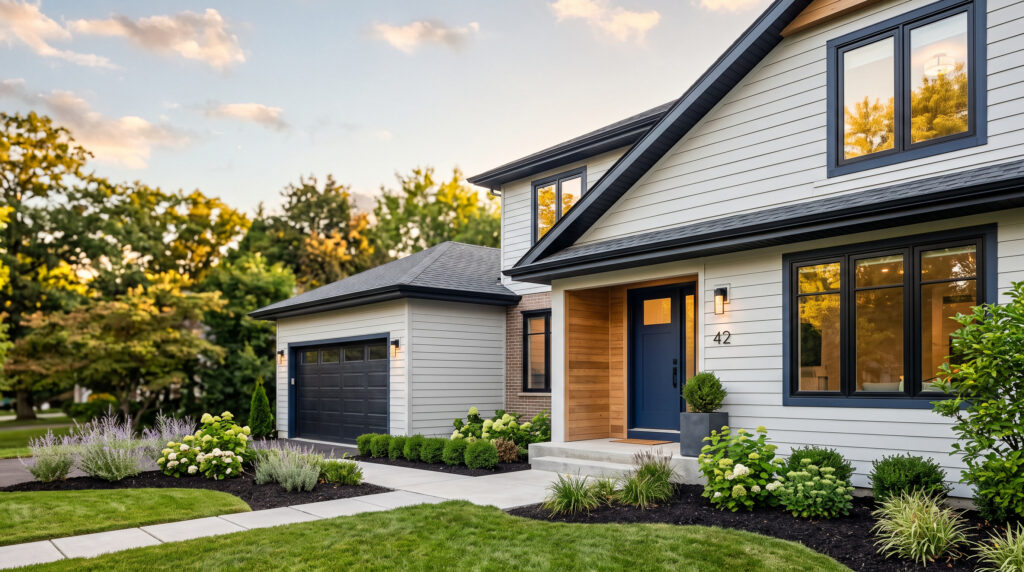
2. First impressions vs. deep functionality. Buyers price a home in the first seconds from the curb, so exterior projects punch above their cost. Interior remodels compete against everything else inside and are judged against personal taste.
3. How personalized the project is. The more a renovation reflects one owner’s preferences – bold finishes, unusual layouts, luxury features – the more the next buyer discounts it. Neutral, expected updates travel well; idiosyncratic ones don’t.
This is why minor beats major and midrange beats upscale almost everywhere in the data. A minor kitchen refresh recoups ~113%; an upscale major kitchen recoups ~36-51%. Same room, wildly different economics.
Appraised value vs. perceived value
Here’s the distinction most homeowners miss, and it’s the heart of cost vs. value.
Appraised value is what an appraiser can document. Appraisers don’t work from your receipts or your taste; they work from comparable sales – recent sales of similar nearby homes. If no comparable home sold with a $75,000 luxury bathroom, the appraiser has no data to credit yours, so it barely moves the appraised number. Upgrades that exceed what local sales support are treated as superadequacies: nice to have, but with little documented contributory value.
Perceived value is what a buyer feels. Buyers respond emotionally to an updated kitchen or a spa bathroom and may offer more because of it. This is real, but it’s soft: about three-quarters of buyers finance their purchase, and their lender requires an appraisal. If a buyer’s emotion pushes the price above what the appraisal supports, the deal can fall through or the buyer must cover the gap in cash.
The best projects win on both fronts. Curb-appeal replacements are cheap enough that comps easily support them (appraised value) and they shape the buyer’s first impression (perceived value). Luxury interior projects often win perception but lose the appraisal, which is why they under-return.
The neighborhood ceiling: the cap you can’t renovate past
Every neighborhood has a price ceiling – the most buyers will realistically pay on that block, set by comparable sales, school district, lot sizes, and location. You can renovate up toward that ceiling and be rewarded; renovate past it and the market simply won’t follow.
Build the nicest house on the street and appraisers face the same problem you’ll face at resale: the only comparable sales are less-upgraded homes, so the value averages down toward them, not up toward your investment. A luxury kitchen that’s perfect in a $700,000 neighborhood is an over-improvement in a $250,000 one.
A practical way to find your ceiling: pull recent, arm’s-length sold comps within about half a mile – no family sales, no short sales – and note the highest legitimate price for a home like yours. Your realistic after-renovation value shouldn’t push far past that number. Many pros also cap total renovation spend around 30% of the home’s current value as a rough guardrail (not a lending rule, just a sanity check).
Blowing past the ceiling is the most expensive version of over-improving, one of several failure modes we cover in our upcoming guide to common renovation mistakes that hurt home value.
National averages vs. your local reality
Cost vs. value figures are national averages, and the report itself shows how much regions differ – in 2025, the Pacific and West South-Central regions posted the strongest overall returns, and a backup generator broke into the top 10 specifically in storm-prone areas. Your local labor costs, buyer expectations, and market temperature can move any project’s ROI by double digits.
So treat the national number as a ranking tool, not a promise. It reliably tells you that a garage door beats a primary-suite addition. It does not tell you the exact dollars your specific home will recoup – only local comps and current conditions can.
Market conditions and timing
Value isn’t static. In a hot seller’s market, buyers reward move-in-ready homes and updated kitchens more generously; in a slow market, they discount hard for any condition issue and reward only the safest, most expected updates. Interest rates, inventory, and the season all shift what your project returns. If you’re renovating specifically to sell, align the work with the listing window so improvements are fresh – and finished – when buyers see them.
Common cost-vs-value misconceptions
- “Expensive projects add the most value.” They add the most dollars sometimes, but the smallest percentage. Spend more, recoup less.
- “A kitchen remodel always pays for itself.” Only the minor version comes close. Gut renovations recoup roughly a third to half.
- “My upgrades will appraise for what I paid.” Only if comparable sales support them. Without comps, an appraiser can’t credit the cost.
- “Curb appeal is superficial.” It’s the single most cost-effective value lever in the entire report.
Turn cost vs. value into a plan
The honest summary: spend where the market rewards you, and spend on livability only with your eyes open. Lead with cheap, visible, expected improvements; be cautious with big, personalized, ceiling-testing projects.
Before committing, estimate the likely return for your home and market by checking recent sold comps to find your neighborhood ceiling.
Frequently asked questions
What is the remodeling cost vs. value report? It’s Zonda’s annual study (38 editions as of 2025) comparing the typical cost of common remodeling projects against the resale value they add, across 119 U.S. markets. It’s the standard reference for home improvement ROI, expressed as “cost recouped.”
Why do renovations return less than they cost? Because resale value is set by comparable sales and buyer perception, not your receipts. Big, personalized, or luxury projects add a smaller share of their cost, while cheap, visible exterior fixes add more than they cost. Most projects recoup under 100%.
What is the difference between appraised value and perceived value? Appraised value is what an appraiser can document from comparable sales; perceived value is what a buyer emotionally feels a feature is worth. The best projects win both, but when a buyer’s perception outruns the appraisal, financing can fall short because most buyers borrow and lenders require an appraisal.
What is the neighborhood ceiling? The highest price the local market realistically supports for a home like yours, set by nearby comparable sales and location. Renovating past that ceiling is over-improving: appraisers can’t find comps to justify the value, so you don’t recoup the spend.
How much should I spend on a remodel? Enough to reach – but not exceed – what comparable sales support. A common guardrail is keeping total renovation spend within roughly 30% of the home’s current value and well under the neighborhood ceiling. This is general information, not financial advice.
Part of our series on home improvements that increase home value. See the full home improvement ROI rankings for the numbers this guide explains.